Rainy Season
Dog Raincoats: Which Dogs Need One and How to Fit It
- Who benefits most: small dogs, short-haired or freshly clipped dogs, lean dogs, puppies and seniors, according to the AKC. Long and curly coats benefit too: less mud, less drying time.
- Who usually does not need one: large dogs with thick double coats.
- Measure two things: body length and the widest part of the chest. The coat should cover the chest and not rub under the front legs.
- At home: take it off, dry the coat underneath and hang the raincoat to dry. A coat that rubs all day can start mats.
In this guide
The rain came back to the Bay Area in a hurry this season. ABC7 called the November 13, 2026 storm the first moderate storm of the season, and on November 18 San Francisco recorded 2.28 inches of rain by 3 p.m., the most for that date since 1918, according to the National Weather Service as reported by The San Francisco Standard. If your dog came home soaked from both, you have probably looked at a dog raincoat.
The honest answer: for some dogs it makes a real difference, for others it is optional, and a badly fitted one can cause more trouble than it solves. Here is how to tell which group your dog is in, how to measure and fit a raincoat, and how to keep it from rubbing a long coat into mats.
Do dogs need raincoats?
Some do, many do not. A raincoat helps most for small, short-haired, lean, young or older dogs, which lose heat faster, and for long or curly coats that soak up water and mud. Large dogs with thick double coats are usually well protected by their own coat.
The American Kennel Club puts it this way: rain jackets can help dogs in wet climates, because some dogs dislike the feeling of the rain, and a jacket can make walks and potty breaks more enjoyable. It also protects the coat from mud and dirty water. The ASPCA’s cold weather advice adds that short-haired dogs can use a coat or sweater with a high collar or turtleneck.
Which dogs benefit most from a raincoat?
Small and toy breeds, short-haired dogs, dogs with a fresh short clip, lean dogs, puppies, seniors and dogs with arthritis. The AKC lists all of these as dogs that feel the cold more, and in the Bay Area the cold usually comes with rain.
| Dog | Raincoat? | Why |
|---|---|---|
| Small or toy breed | Usually yes | The AKC says small dogs cannot hold their body heat in the cold |
| Short-haired or freshly clipped | Usually yes | Little natural insulation, according to the AKC |
| Senior or arthritic | Often yes | The AKC notes seniors and dogs with arthritis feel the cold more |
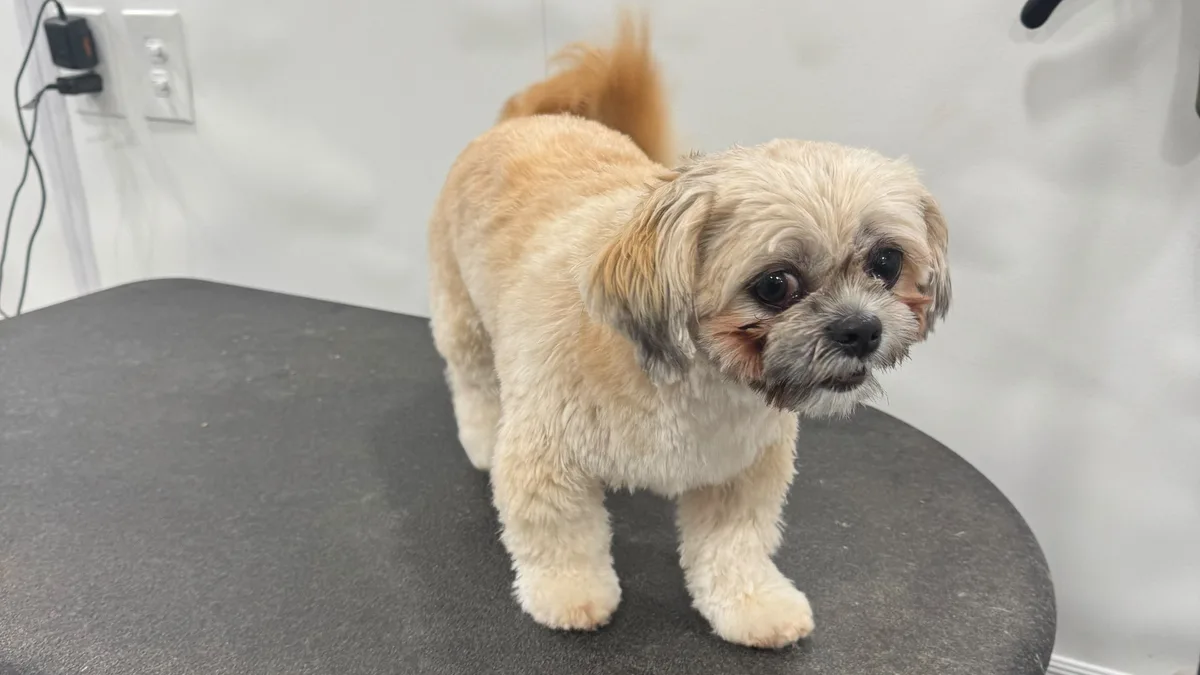
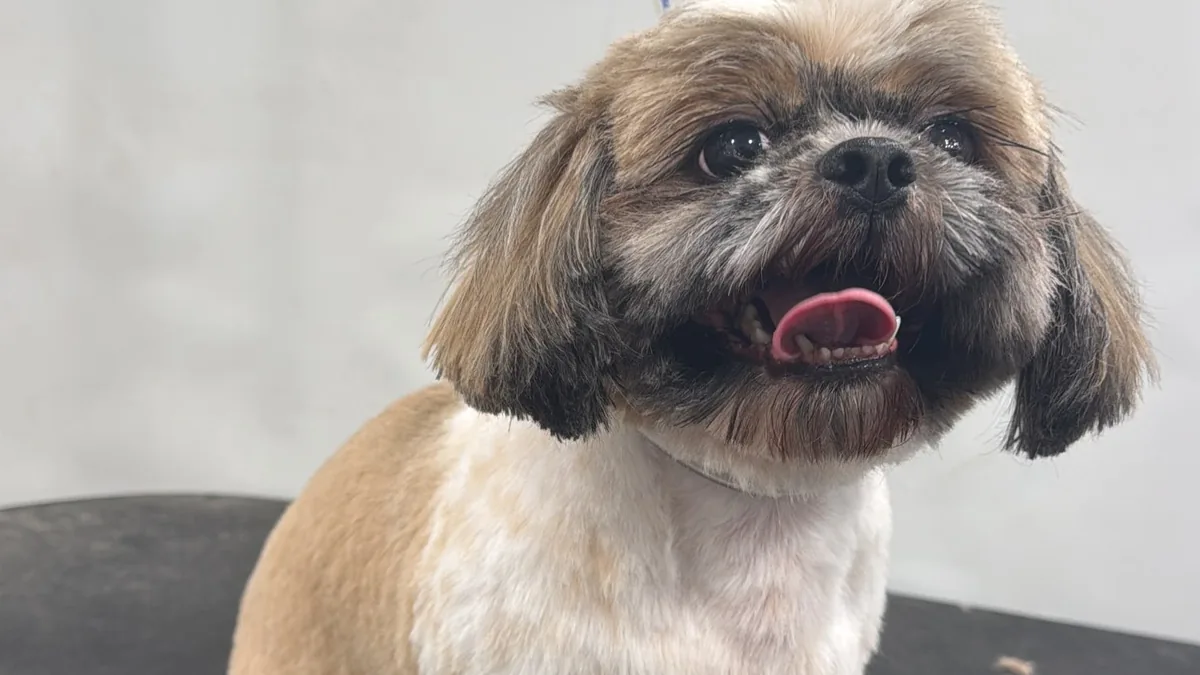
| Long or curly coat (Doodle, Shih Tzu) | Helpful | Less water and mud in the coat, faster drying; fit matters |
| Large double coat (Golden, Husky, Shepherd) | Rarely | The thick coat protects them; dry it well after walks |
If your dog is a senior, our senior dog grooming guide has more on keeping older dogs comfortable in wet weather.
Do double-coated dogs need a raincoat?
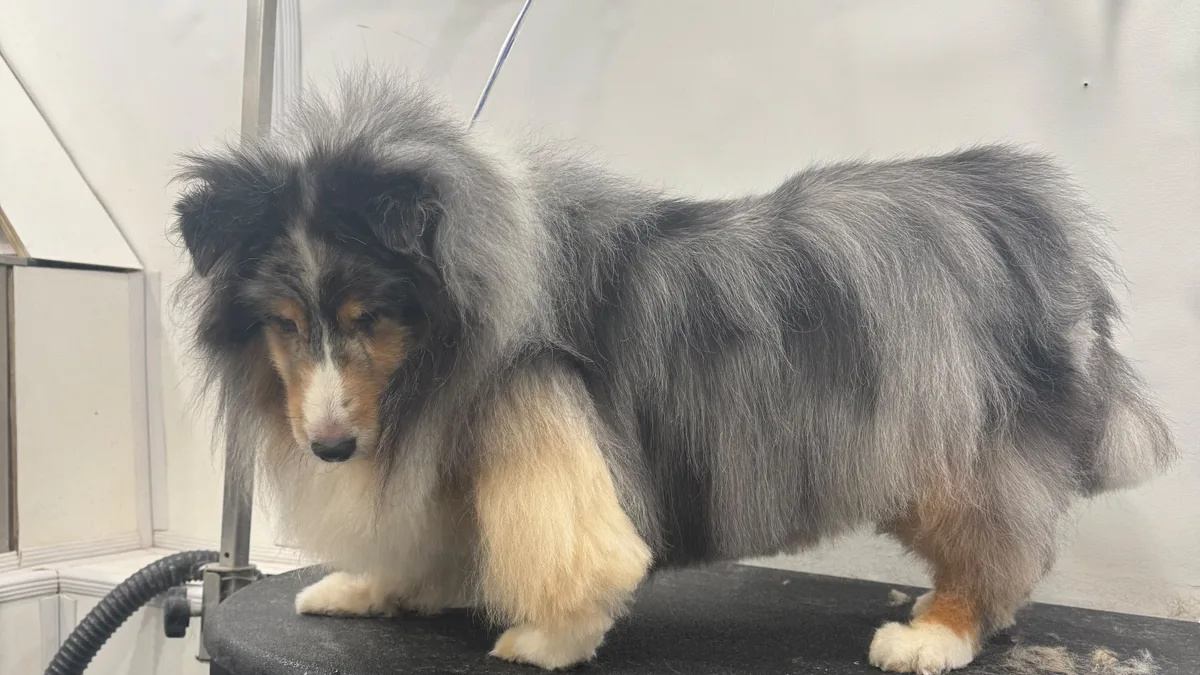
Rarely. The AKC says large dogs with thick coats are protected from the cold, and northern breeds like Huskies and Malamutes were bred with fur built to insulate. What matters more for them is drying the dense undercoat after a wet walk and brushing out the loose hair that holds water.
A packed undercoat dries slowly. This is how much loose undercoat came out of one large dog in a single de-shedding session in our van, hair that would otherwise hold rain against the skin:
See our de-shedding page and the double-coated dog guide for the routine.
How do you measure a dog for a raincoat?
Measure the length of the back, usually from the base of the neck to the base of the tail, and the girth around the widest part of the chest, just behind the front legs. Use a soft tape with your dog standing, then match both numbers to the maker’s size chart. When in doubt between sizes, chest fit decides.
The AKC’s guidance is that you generally need the body length and the widest part of the chest, that the jacket should let your dog walk, run and play comfortably, and that it should not be so loose that it becomes a hazard your dog could get tangled in. What to look for when you try it on:
- Chest coverage. The chest and belly take most of the splash.
- No rubbing under the front legs. That is where the coat moves most with every step.
- Room for a harness or a leash opening, so you are not clipping the leash over the coat.
- Easy on, easy off. A coat that takes a fight to put on will stay in the closet.
Can a raincoat cause mats?
Yes, if it rubs. A strap or hem that slides against a damp long or curly coat all walk creates exactly the friction mats need. The AKC notes that mats often form in places of friction, like where the front legs and chest meet, which is right where many raincoats sit.
Three habits prevent it: get the fit right, take the raincoat off as soon as you are home, and dry and brush the coat underneath, especially the armpits and chest. Hang the raincoat to dry too; the AKC warns that coats put away damp can become breeding grounds for bacteria. If you already feel tight clumps under the straps, our guide to matted dog hair in the rainy season explains what to do, and our dematting page covers how we work them out.
Are dog rain boots worth it?
For some dogs. Boots keep paws dry and clean, which helps dogs with long paw hair and owners who hate the door routine. Most dogs walk oddly in them at first, so practice indoors in short sessions with treats before the first rainy walk.
For most dogs, a quick paw rinse and dry at the door does the same job. Our guide on how to clean muddy dog paws walks through it, and the El Niño guide has the five-minute routine after every wet walk.
What if your dog still comes home soaked?
Towel by pressing, not rubbing, then dry down to the skin. The ASPCA’s advice is to towel your dog dry as soon as they come inside. When the mud has reached the skin of a thick or curly coat, a full bath and blow dry is the reset.
Brush Hour brings that bath to your door, one dog at a time, with no cages. Every Dog Bath includes a warm bath and full blow dry, nail trim, paw pad and sanitary trims, ear cleaning, teeth brushing and a blueberry facial.
Frequently asked questions
Do dogs really need raincoats?
Not all of them. The AKC notes that small dogs, short-haired or clipped dogs, lean dogs, puppies, seniors and dogs with conditions like arthritis feel the cold and wet the most. A raincoat also keeps mud and dirty water off the coat, which helps long and curly coats. Large dogs with thick double coats usually do fine without one.
How do I measure my dog for a raincoat?
The AKC says you generally need two measurements: the length of your dog’s body and the girth around the widest part of the chest. Most makers measure the body from the base of the neck to the base of the tail. Compare them with the maker’s size chart, and choose a fit that lets your dog walk and run freely without hanging loose.
Can a dog raincoat cause mats?
It can if it rubs. Straps and edges that slide against a damp long or curly coat create friction, and the AKC notes that mats form in places of friction, like where the front legs meet the chest. A good fit, taking the coat off indoors and brushing those spots once dry all help.
Do dogs need rain boots?
Most dogs do not, but boots keep paws clean and dry on wet walks, and some owners like them for dogs with long paw hair. Most dogs need a few short, positive practice sessions indoors before they walk normally in boots.
Should I take my dog’s raincoat off when we get home?
Yes. Take it off, towel and dry the coat underneath, and hang the raincoat to dry. The AKC warns that coats put away damp can become breeding grounds for bacteria.
Sources: American Kennel Club, “Do Dogs Need Sweaters and Jackets in Winter?” (updated November 14, 2025) and “How to Overcome the 4 Biggest Dog Grooming Challenges” (updated August 5, 2026); ASPCA, Cold Weather Safety Tips; ABC7, Bay Area storm timeline (November 13, 2026); The San Francisco Standard, “Storm chaos: Atmospheric river causes flooding across San Francisco” (November 18, 2026), citing the National Weather Service. This guide is general information. If your dog shivers, limps or seems sore after cold, wet walks, see your veterinarian.
Related: Mobile dog bath at your door · El Niño guide for dog owners · Senior dog grooming