Rainy Season
Hot Spots on Dogs After Rain: Why Wet Coats Cause Them and What Helps
- Hot spots (acute moist dermatitis) are red, inflamed, oozing patches of skin that appear fast and can grow dramatically in a short time, according to VCA veterinarians.
- They usually start with an itch the dog licks or scratches. Damp, thick or matted coats raise the risk, which is why they show up in a wet Bay Area winter.
- Most common spots: head, legs and hips (VCA), and under the ears when there is an ear problem (Cornell).
- See your veterinarian for any red, wet or open patch. Vets clip the hair around it and clean it. Do not use scissors at home.
- Prevention: dry to the skin after rain, keep the coat free of mats, stay on top of flea control and watch for licking.
In this guide
Hot spots on dogs tend to show up right after a stretch of rain. The dog comes in wet, gets a quick towel-off, and a few days later there is a raw, angry patch on the neck or hip that was not there before. Here is what a hot spot actually is, why wet coats make them more likely, what your veterinarian will do, and the drying and grooming habits that lower the risk through the rest of the rainy season.
What is a hot spot on a dog?
A hot spot is a patch of red, inflamed skin that appears quickly, oozes and may contain pus. Vets call it acute moist dermatitis. It gets its name from the warmth of the inflammation. Hot spots are painful, and VCA veterinarians warn they can increase in size dramatically in a very short time.
VCA veterinarians say the most common sites are the head, legs and hips. Cornell University’s Riney Canine Health Center adds that ear infections can cause sores under the ear, and anal gland problems can lead to licking and chewing around the tail.
Why do hot spots show up after rain?
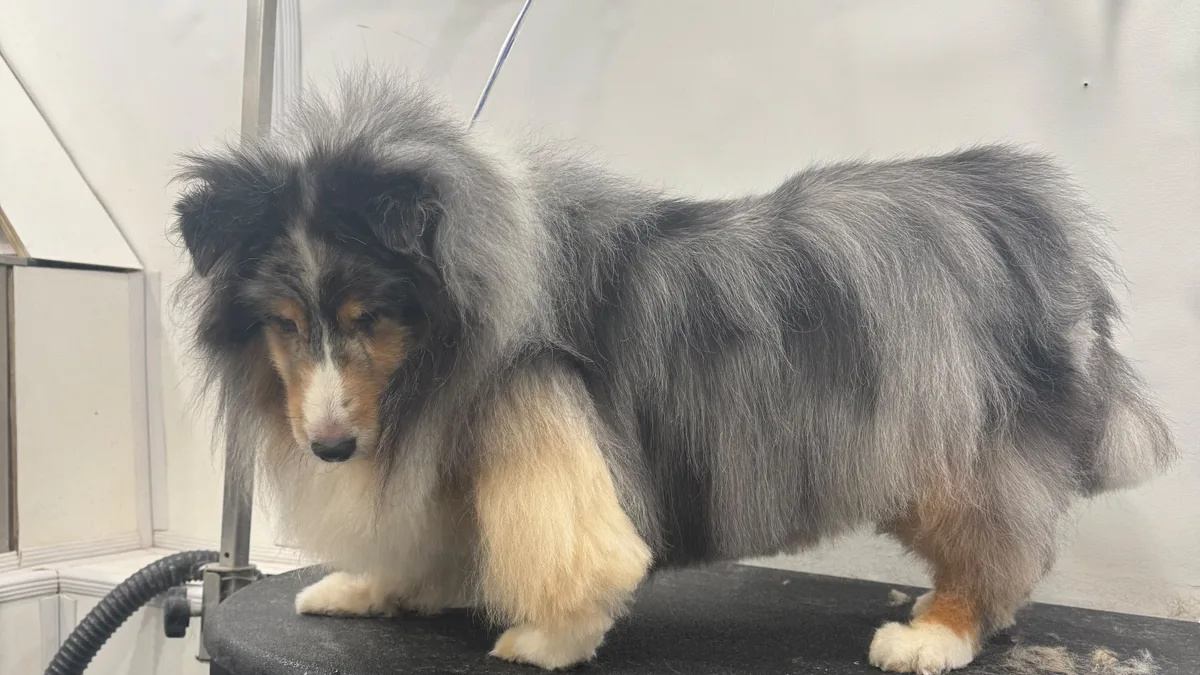
A wet coat can stay wet at the skin long after it feels dry on top. Cornell lists dogs that swim or get wet and have a thick coat that does not dry fully among those prone to hot spots, and VCA veterinarians explain that matted fur keeps air from the skin and holds water after rain or a swim.
Moisture is rarely the only cause. VCA veterinarians describe a lick, itch, lick cycle: something makes the skin itchy, the dog licks or scratches, and the damaged, damp skin gets worse. Common starting points include:
- Allergies, environmental or to flea bites
- Fleas and other insect bites
- Ear infections, sometimes from water trapped in the ear
- Anal gland inflammation
- Poor grooming: mats, dead undercoat and a coat that never fully dries
- Boredom and pain, such as arthritis or back problems that keep a dog lying down a lot
Our El Niño guide for San Francisco dog owners covers the rest of the rainy season: where the city floods, why puddles are risky and a quick routine for wet walks.
Which dogs get hot spots most often?
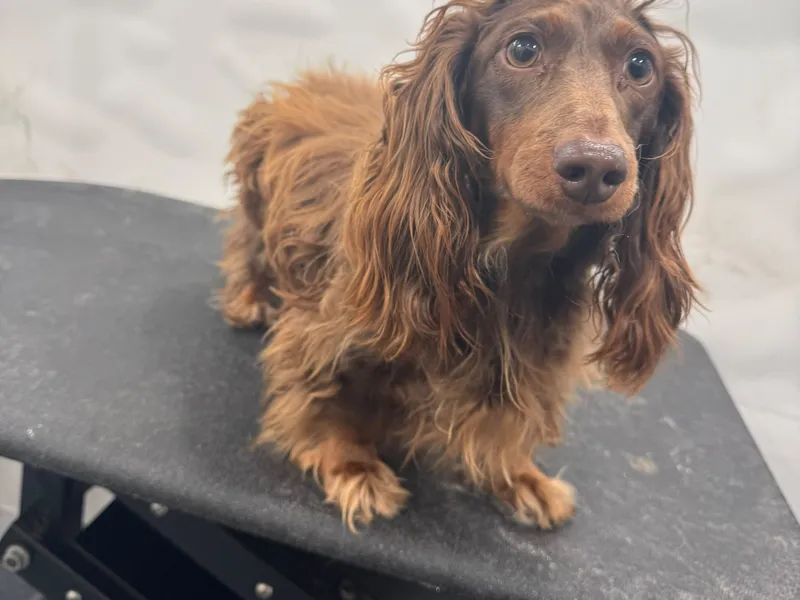
Dogs with long or thick coats, drop ears and hairy coats top the list. Cornell names Newfoundlands, German Shepherds and Golden Retrievers as examples. VCA veterinarians add dogs with poorly kept coats, older dogs and dogs with arthritis or back problems that lie down often.
| Risk factor | Why it matters | What helps |
|---|---|---|
| Thick or double coat | Dries on top, stays damp at the skin (Cornell) | Towel, then a dryer on a cool setting until the skin is dry |
| Mats | Hold water and keep air off the skin (VCA) | Regular brushing to the skin; dematting before they tighten |
| Drop ears | Water trapped in the ear can lead to infection and sores under the ear (Cornell) | Dry the ears after rain and baths; check them daily |
| Fleas | Cornell names fleas and allergies as primary causes | Year-round flea control from your vet |
What should I do if my dog has a hot spot?
Call your veterinarian, especially if the patch is spreading, oozing or more than a day old. Keep your dog from licking it in the meantime. VCA says clipping the hair around a hot spot is crucial to treatment, but warns against using scissors because of the risk of cutting the skin.
At the clinic, a vet will usually clip the area, clean it with an antiseptic and decide whether your dog needs medication. Cornell advises seeing a veterinarian if there are signs of infection or the sore is more than 24 hours old. Just as important, your vet looks for the cause, whether that is fleas, allergies, an ear infection or anal glands. VCA veterinarians note that treating the underlying cause is what prevents the next one. Please do not use human creams or medications on your dog without asking your vet first.
How do I prevent hot spots in the rainy season?
Dry your dog down to the skin after every wet walk, keep the coat brushed and free of mats, stay on top of flea control, and check the ears and tail. Cornell calls strong flea and tick control the most important preventive step and recommends rinsing and thoroughly drying a dog after swimming and removing any mats.
- Dry to the skin, not the surface. Press with a towel, then use a dryer on a cool or low setting for thick coats. Part the hair to check.
- Hit the hidden spots: under the collar, behind the ears, the armpits, the belly and the base of the tail.
- Brush once the coat is dry. Our guide to brushing between grooming appointments shows how to reach the skin.
- Check daily. Cornell suggests checking the ears daily and lifting the tail weekly to look for redness or licking.
- Watch the licking. A dog working on one spot over and over is telling you something. Call your vet early.
How can professional grooming help?
A groomer cannot treat a hot spot, but a regular groom removes two things that make them more likely: mats and a coat that never fully dries. VCA veterinarians note that some dogs benefit from seasonal grooming and regular brushing and bathing as part of prevention.
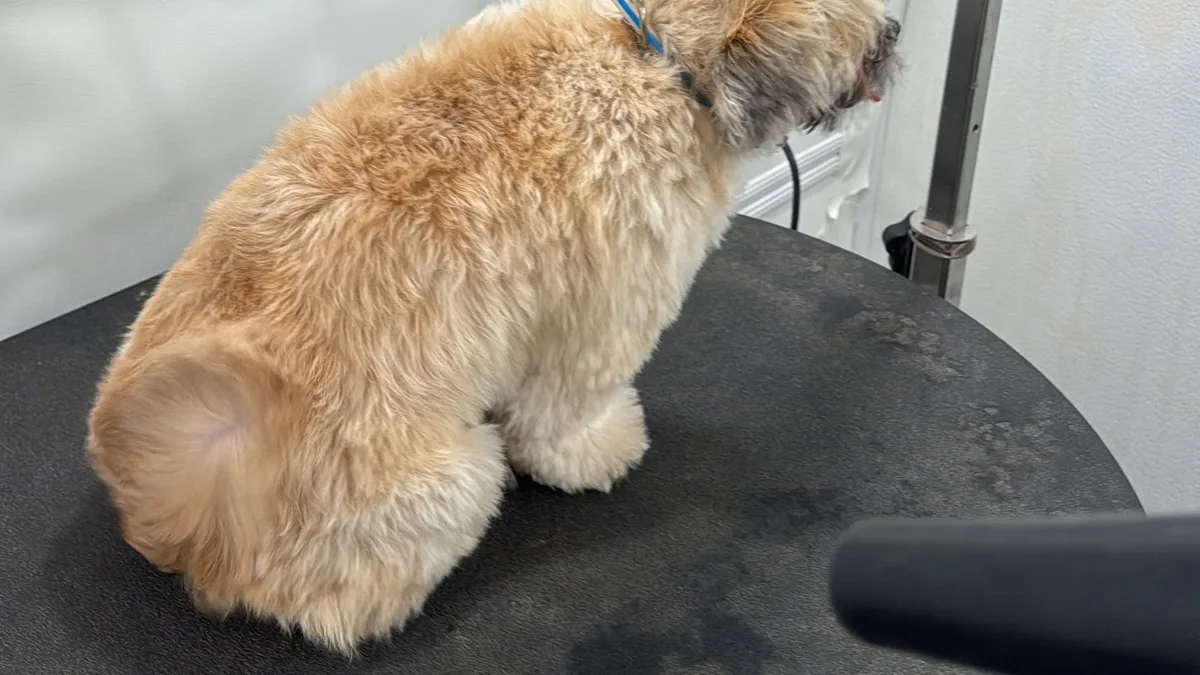
Brush Hour grooms at your door, one dog at a time, in a van with its own bathing station. Every Dog Bath includes a warm bath and a full blow dry down to the skin, plus nail trim, sanitary and paw pad trims and ear cleaning. If the coat has knots, add dematting; if fleas are part of the story, ask about a flea and tick bath, and keep your vet’s flea prevention going. If your dog has an open or healing hot spot, tell us when you book so we can plan around it.
Frequently asked questions
What causes hot spots on dogs?
Usually an itch that the dog licks, chews or scratches until the skin breaks down. VCA veterinarians list allergies, insect bites, ear infections, skin infections, poor grooming and anal gland problems among common triggers. A thick coat that stays damp after rain or a swim adds to the risk.
Why does my dog get hot spots after rain or a bath?
A thick coat can feel dry on top and stay wet at the skin. Cornell’s Riney Canine Health Center notes that dogs that swim or get wet and have a coat that does not dry fully are prone to hot spots, and VCA adds that matted fur holds water and keeps air off the skin.
Are hot spots an emergency?
Treat them as urgent enough to call your veterinarian soon. VCA warns that hot spots can increase in size dramatically in a very short time, and serious cases may need oral antibiotics or other medication.
Can a groomer treat a hot spot?
No. Diagnosing and treating a hot spot is a job for your veterinarian. A groomer can help with prevention by keeping the coat clean, brushed, free of mats and dried down to the skin. If your dog has an active hot spot, tell us when you book.
How can I prevent hot spots on my dog in the rainy season?
Dry your dog down to the skin after every wet walk, keep the coat brushed and free of mats, keep up with flea control, and check the ears and under the tail. Cornell calls strong flea and tick control the most important preventive step.
Sources: VCA Animal Hospitals, “Hot Spots in Dogs” (Malcolm Weir, DVM; Krista Williams, DVM; Ryan Llera, DVM; Ernest Ward, DVM; updated July 10, 2026); Cornell University College of Veterinary Medicine, Riney Canine Health Center, “Hot Spots.” This guide is general information, not veterinary advice. For any red, wet or open patch of skin, see your veterinarian.
Related: Mobile dog bath with a full dry · El Niño guide for SF dog owners · Double-coated dog grooming